Best Bourbon for Winter Sipping: 2026 Cold-Weather Picks That Actually Warm You Up
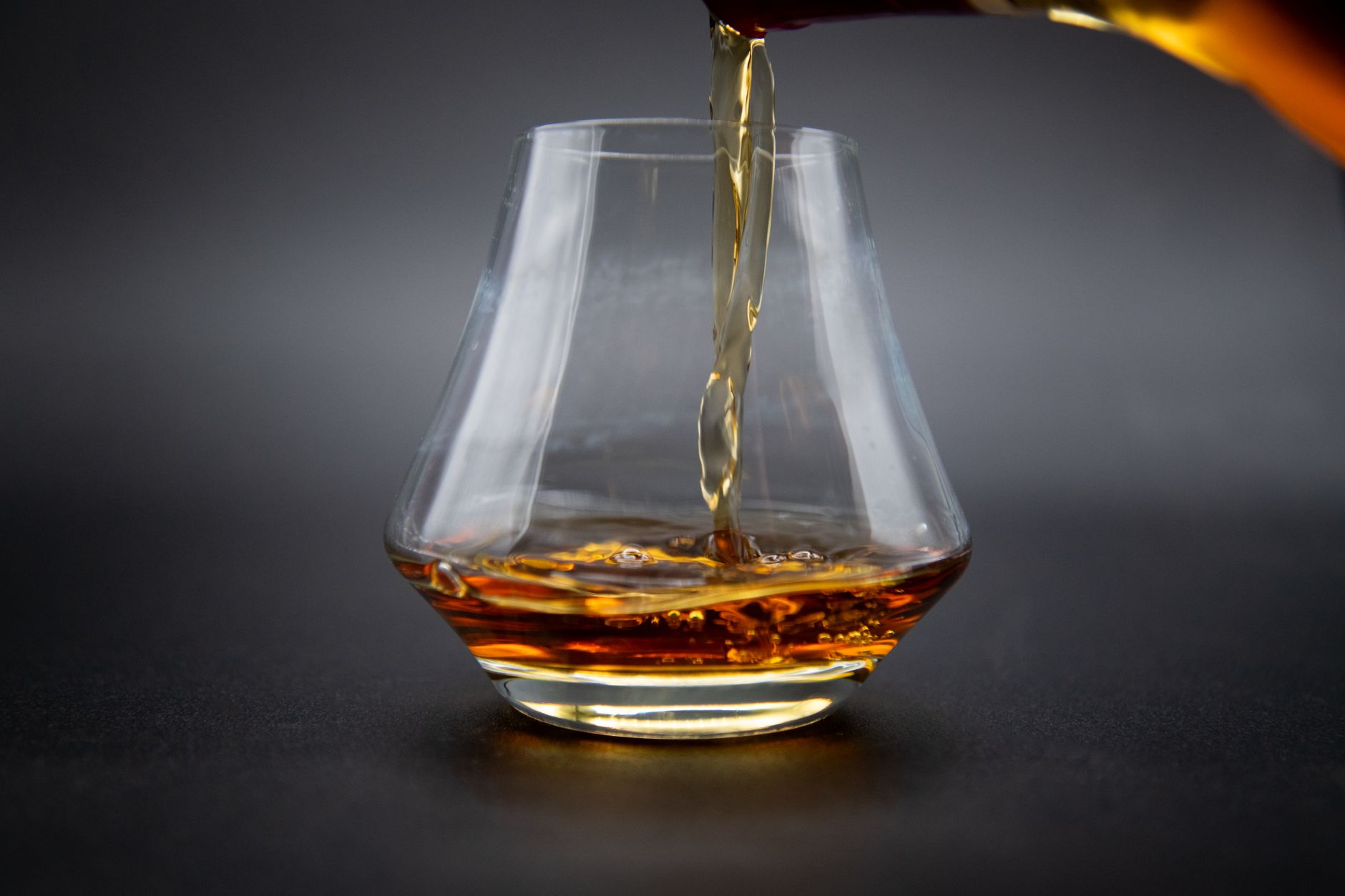
The first real cold snap just rolled through Kentucky this week, and if you’ve stepped outside after dark lately, you already know — winter 2026 is coming in fast. Distilleries are leaning into it, too. Barrel-proof releases are hitting shelves at a pace we haven’t seen in years, and the fall allocation drops have been stacked with high-rye, high-heat expressions that feel almost engineered for freezing temperatures. If you’re hunting for the best bourbon for winter sipping, the timing couldn’t be better.
But here’s the thing most guides get wrong: winter sipping isn’t just about grabbing the highest proof bottle on the shelf. It’s about finding bourbons with the right flavor density — rich caramel, dark baking spice, toasted oak, and enough warmth to spread from your chest outward without turning into a one-note ethanol burn. We’ve spent the past month tasting through this season’s standouts, and these are the bottles that genuinely deliver when the temperature drops.
What Makes a Bourbon Great for Cold Weather
Not every great bourbon is a great winter bourbon. The bottle you reach for on a July evening — something light, floral, maybe 90 proof — can taste thin and flat when you’re wrapped in a blanket on the porch in January.
Here’s what actually matters when the mercury falls:
- Proof between 100 and 125. This is the sweet spot. Below 100, bourbon can feel watery in cold air. Above 125, you risk numbing your palate before you finish the pour. Barrel-proof options in the 115-120 range give you intensity with room to add a drop of water if you want to open things up.
- Heavy oak and spice on the palate. Winter food is rich — braised short ribs, dark chocolate, sharp cheese. You need a bourbon that can stand next to those flavors without disappearing.
- A long, warming finish. Short finishes are fine in summer. In winter, you want that Kentucky hug to linger for 30 seconds or more.
- High-rye or well-aged mash bills. Rye spice reads as warmth on the palate. Age brings deeper oak, leather, and tobacco notes that feel right when it’s dark at 5 PM.
Keep those four criteria in mind and you’ll pick a winner almost every time.
Best Bourbon for Winter Sipping: Our Top Picks for 2026
These aren’t ranked from best to worst — they’re matched to different winter drinking situations. Pick the one that fits your night.
Elijah Craig Barrel Proof (Batch B525) — Best Overall Winter Sipper
Heaven Hill’s barrel-proof line has been one of the most consistent performers in bourbon for years, and the B525 batch continues that streak. At roughly 124 proof, it pours thick and coats the glass. The nose is all dark cherry, vanilla bean, and charred oak. On the palate, you get waves of caramelized sugar, cinnamon, and a peppery kick that builds slowly.
What makes this the best bourbon for winter sipping in our book is the finish — it goes on for a full minute, warming the entire way down. Add two drops of water and the fruit notes bloom without losing any of that heat. At around $75 retail, it’s also one of the better values in the barrel-proof category right now.
Old Forester 1920 Prohibition Style — Best for Fireside Drinking
At 115 proof, Old Forester 1920 sits in that perfect zone where it’s bold without being punishing. The flavor profile leans heavily into dark chocolate, dried apricot, and clove — basically the liquid version of sitting next to a fireplace.
This one shines when you’re settling in for a long evening. It’s the bottle you pour when you’ve got nowhere to be. The Brown-Forman heat treatment on their barrels gives it a distinctive toasted character that feels tailor-made for cold weather. Expect to pay around $60-65.
Wild Turkey Rare Breed — Best Value Winter Bourbon
If you want barrel-proof quality without the barrel-proof price tag, Rare Breed remains almost impossible to beat. The current batch comes in around 116.8 proof and delivers exactly what you want in winter: rich toffee, orange peel, black pepper, and a finish that refuses to quit.
Master Distiller Jimmy Russell’s fingerprints are all over this one — it’s unapologetically bold and doesn’t try to be smooth for smoothness’s sake. At $45-50 depending on your market, this is the bottle we’d hand to someone who wants a serious winter pour without spending serious money.
Knob Creek 12 Year — Best for Slow Sipping After Dinner
Twelve years in the barrel gives this Knob Creek expression a depth that younger bourbons simply can’t match. The oak influence is pronounced but not bitter — think dark leather, pipe tobacco, and maple syrup that’s been cooked down until it’s almost candy.
At 100 proof, it’s the lowest-proof bottle on this list, but the age more than compensates. This is the pour you reach for after a heavy winter meal when you want something contemplative. It rewards patience. Around $70-80 at most retailers.
Four Roses Single Barrel Barrel Strength (OBSV Recipe) — Best Special Occasion Pick
When you can find it, the Four Roses Single Barrel at barrel strength is one of the most rewarding winter bourbons available. The OBSV recipe — high rye, delicate fruit yeast — produces a pour that’s simultaneously spicy and elegant. Expect red fruit, rye bread, vanilla, and a long, drying finish that keeps you coming back.
Proof varies by barrel but typically lands between 108 and 118. The catch is availability — these are allocated in most markets and can run $80-100+ if you find them. Worth the hunt for a special winter evening.
How to Serve Bourbon in Cold Weather (Without Ruining It)
A few practical tips that make a real difference when you’re drinking bourbon in winter:
Skip the ice. This should be obvious, but it’s worth saying. Ice numbs your palate and dilutes the pour. In winter, you want full flavor and full warmth. If you normally drink bourbon on the rocks, try it neat during cold months — you might be surprised how different it tastes.
Let the glass warm slightly. If you’re drinking outdoors or in an unheated room, hold the glass in your palm for a minute before sipping. Cold glass can mute aromatics. You want the bourbon at room temperature or slightly below — not chilled.
Use a Glencairn or tulip-shaped glass. The narrow opening concentrates the aromas, which matters more in winter when cold, dry air already suppresses your sense of smell. A wide-mouth rocks glass lets too much of the bouquet escape.
Add water strategically. A single drop of room-temperature water can open up barrel-proof bourbons beautifully. Use a pipette or the cap of a water bottle to control the amount. You’re looking for just enough to break the surface tension and release the esters — not enough to thin the body.
Pair with the right food. Dark chocolate (70% cacao or higher), aged gouda, candied pecans, and charcuterie all amplify the flavors in these winter bourbons. Avoid anything too sweet or too acidic, which can clash with the spice and oak.
Building a Winter Bourbon Rotation on a Budget
You don’t need to spend $400 to drink well all winter. Here’s a simple three-bottle rotation that covers every situation for under $170 total:
- Wild Turkey Rare Breed ($45-50): Your weeknight pour. Bold enough to satisfy, affordable enough that you won’t feel guilty reaching for it on a Tuesday.
- Old Forester 1920 ($60-65): Your weekend bottle. More complex, more rewarding when you have time to sit with it.
- Elijah Craig Barrel Proof ($70-75): Your special occasion bottle. Save it for the coldest nights, the best company, or both.
That rotation gives you three distinct flavor profiles, three different proof points, and enough variety to keep things interesting from December through March. If you want to stretch further, swap the Elijah Craig for a Knob Creek Single Barrel pick from your local store — many retailers offer their own barrel selections in the $55-65 range that punch well above their price.
Final Thoughts on Finding Your Best Bourbon for Winter Sipping
The best bourbon for winter sipping ultimately comes down to what you want from the experience. If you crave intensity and don’t mind a little burn, go barrel-proof. If you prefer depth and complexity over raw power, reach for something with more age. Either way, the bottles on this list have earned their place through actual cold-weather testing — not just spec-sheet comparisons.
Our advice? Start with the Wild Turkey Rare Breed this week. It’s the most accessible bottle here, it’s available almost everywhere, and it’ll tell you immediately whether you’re a high-proof winter drinker or not. From there, work your way up the list as the nights get longer and the temperatures keep dropping.
Winter only lasts a few months. Make every pour count.