Bourbon and Beyond 2026 Bottle Packing Tips: How to Transport Your Festival Haul Without a Single Crack
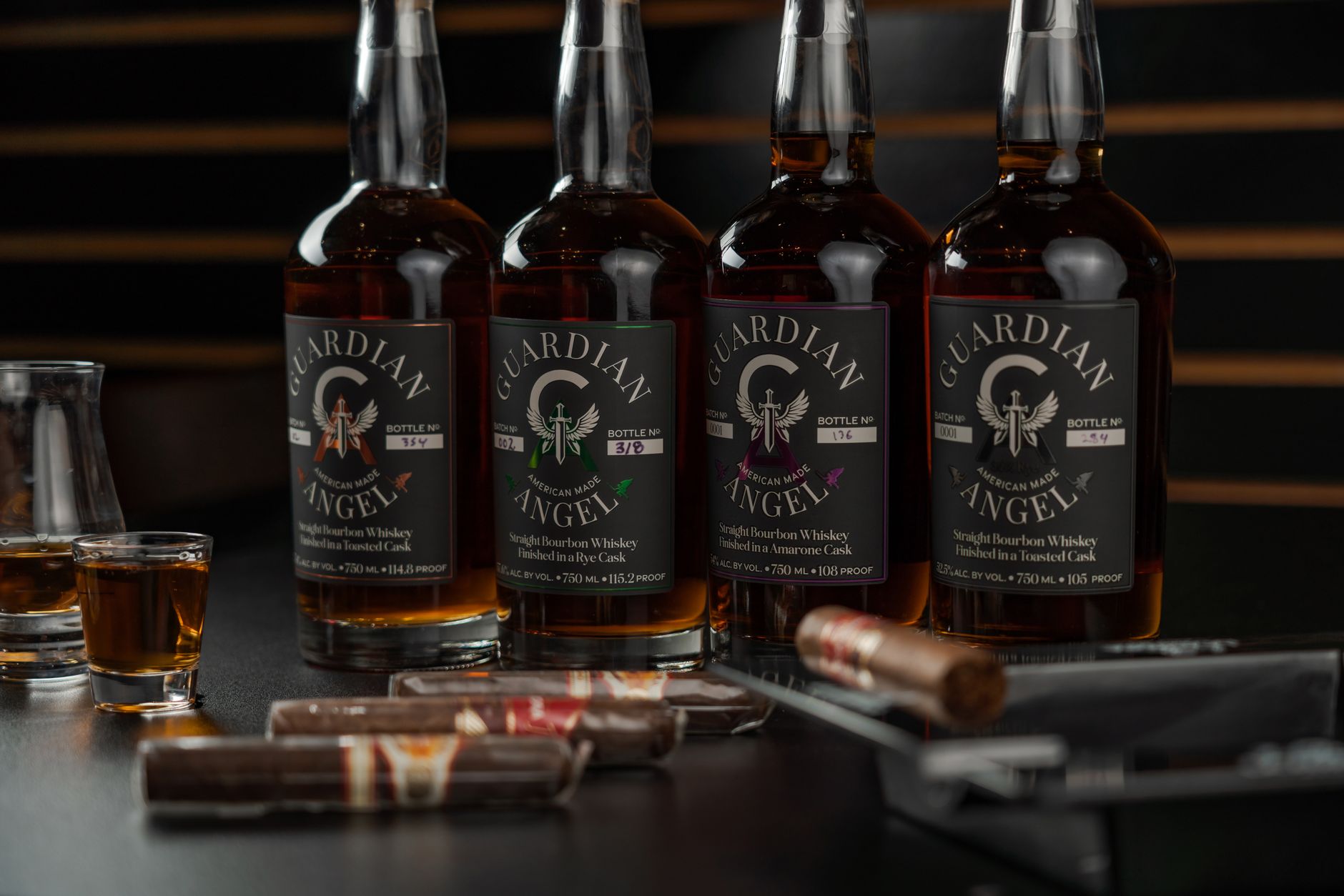
The summer festival circuit is in full swing, and with Bourbon & Beyond 2026 just weeks away, the bourbon community is buzzing about something beyond the lineup—how to get those limited-release bottles home intact. While everyone’s debating which set to catch and which food village stall hits hardest, seasoned festival-goers know the real post-festival anxiety: you’ve stood in line for two hours for an exclusive single barrel pick, and now you have to get it through TSA, a crowded shuttle bus, and a 700-mile drive.
If you’re already staring at that clear backpack wondering how much protection it actually offers, you’re not alone. Most Bourbon & Beyond veterans will tell you the festival is only half the battle—the other half is the logistics of bottle transport. Drawing from the same meticulous attention to detail that makes Bourbon & Banter Whiskey Reviews: The No. 1 Source for Bourbon Reviews essential reading for serious enthusiasts, we’ve built a packing system that treats your festival acquisitions with the reverence they deserve.
Why Bourbon and Beyond 2026 Bottle Packing Tips Matter More Than Ever
This year’s festival marketplace is shaping up to be the most bottle-heavy yet. With distilleries bringing exclusive releases, single barrel selections, and collaboration projects that won’t see retail shelves, the average attendee is walking away with three to six bottles instead of the one or two from previous years. More bottles means more risk—and more creative packing required.
The clear bag policy isn’t going anywhere, but it creates a paradox: security wants visibility, while your bottles need cushioning. Add in Louisville’s September weather swings (85°F afternoons, 55°F evenings, and sudden thunderstorms), and you’ve got thermal stress on glass and adhesive labels that can turn a pristine bottle into a sticky mess.
Here’s what changes in 2026: the festival has expanded its “Bottle Check” service, but capacity is limited and lines back up 45 minutes before the final sets. Relying on it as your primary strategy is a gamble most serious collectors won’t take.
The Foundation: Your Clear Backpack Isn’t Enough
That 12x12x6 clear bag meets security requirements, but it’s essentially a plastic shell. For bourbon and beyond 2026 bottle packing tips that actually work, you need to build a secondary system inside that bag.
The roll method: Start with a medium-weight beach towel or microfiber blanket at the bottom of your pack. This creates a shock-absorbing base and protects against the hard ground when you inevitably set your bag down during sets.
Individual bottle socks: Neoprene wine bottle sleeves (the 750ml size fits standard bourbon bottles perfectly) are your first line of defense. At $8-12 each, they’re reusable across festivals and tastings. The 3mm thickness absorbs impact without adding prohibitive bulk. For taller bottles like Wild Turkey Master’s Keep or Booker’s 30th Anniversary-style releases, look for the 1.5L wine sleeve size.
The vertical orientation rule: Never lay bottles horizontally in your pack. Pressure on the neck during movement is where cracks initiate. Vertical storage with the base on your towel layer distributes weight properly.
Cap seal protection: Heat and movement loosen screw caps. A single wrap of teflon tape around the cap threads (not the seal itself—don’t break it) adds friction without residue. For wax-dipped bottles, cushion the top with a folded sock or dedicated wax protector; that cosmetic damage kills resale and trade value even if the seal holds.
Weatherproofing: September in the Highlands
Louisville’s September climate is deceptively harsh on packed bottles. Direct sun on a clear backpack creates greenhouse conditions—internal temperatures can hit 110°F in 20 minutes. Heat expands air inside the bottle, increasing pressure on the seal and accelerating evaporation through natural cork.
The frozen water bottle technique: Pack a 16oz frozen water bottle alongside your wrapped bottles. As it melts, it provides 6-8 hours of thermal mass keeping your pack interior below ambient temperature. The meltwater goes into your refillable cup—dual purpose, no waste.
The reflective liner hack: Cut a piece of reflective car windshield shade to fit inside your clear pack, shiny side facing out. It bounces radiant heat and weighs under 3 ounces. This is invisible to security and remarkably effective.
Rain protocol: September thunderstorms roll fast. A compact packable rain cover (the kind ultralight hikers use) lives in your pocket, not your bag. When skies open, 30 seconds of coverage protects everything inside. The clear material of your pack doesn’t make it waterproof—it makes it a water collection basin if left exposed.
The Multi-Bottle Strategy: Beyond the Backpack
Serious collectors don’t rely on a single transport method. Here’s the layered approach for 4+ bottles:
The festival locker upgrade: Bourbon & Beyond 2026 introduced temperature-controlled lockers near the main marketplace entrance. At $45/day, they’re expensive but worth it for bottles over $200 or anything with significant trade value. Reserve online 48 hours ahead—day-of availability is essentially zero.
The hotel staging method: If you’re local or driving, your first two bottles go to hotel/car midday. This reduces pack weight, thermal load, and catastrophic loss risk. The 45-minute round trip pays dividends in comfort and security.
The shipping alternative: Louisville has three UPS Store locations offering “wine and spirits” approved shipping with specialized packaging. Cost runs $25-40 per bottle depending on destination and insurance value. For anything over $150, this eliminates travel risk entirely. Note: you’ll need to be 21+ to receive, and some states (Utah, Alabama, Mississippi) have restrictions that make this non-viable.
The checked luggage protocol for flyers: If you’re flying out of SDF, your bottles must go checked. The TSA-approved method: each bottle in a sealed 6x6x12 cardboard wine shipper (available at most Louisville liquor stores for $3-5), then surrounded by clothing in your suitcase. Never use bubble wrap alone—compression during baggage handling pops bubble wrap; the rigid shipper box absorbs that force. Mark the suitcase “FRAGILE” at check-in; it’s not guaranteed protection but triggers gentler handling protocols.
The Bottle-Specific Considerations
Not all bottles pack equally. Adjust your strategy by format:
Wax-dipped limited releases (Blanton’s Gold, E.H. Taylor Barrel Proof): The wax is cosmetic but psychologically valuable. A silicone baking cup inverted over the cap prevents wax cracking from side impacts. The festival heat softens wax—keep these in lockers or hotel-staged, never in your pack past 2pm.
Square-shouldered bottles (Woodford Reserve, Old Forester): The flat edges create pressure points. Add a 1/4” foam sheet wrap around the shoulder before the neoprene sleeve. These bottles also stack poorly—never double-layer them in your pack.
Tall, narrow bottles (Basil Hayden’s 10 Year, certain single barrels): Top-heavy and tippy. Pack with the base wedged into a corner of your pack, using the pack structure for stability. These are the most common neck-breakers.
Ceramic or specialty decanters (Willett Pot Still, certain Heaven Hill releases): Double-box method mandatory. These shatter from impacts that would merely scratch glass. Ship these or hand-carry in dedicated hard cases—never in a soft pack.
Conclusion: Your Festival Haul Deserves Better Than a Prayer
The best bourbon and beyond 2026 bottle packing tips share a philosophy: treat your acquisitions like the investments they’ve become. That $89 single barrel pick might trade at $300 in six months. That distillery-exclusive release might anchor a tasting group for years. The $40 you spend on proper packing materials and locker rentals protects value that dwarfs the cost.
Bourbon & Beyond 2026 promises to be the most acquisition-heavy edition yet. The marketplace expanded, the exclusives are deeper, and the attendee base is more collector-oriented than ever. Walking out with bottles is the goal; walking out with bottles that survive the journey home is the achievement.
Pack like the festival depends on your haul arriving intact—because for the serious enthusiast, it does. See you in the Highlands, with neoprene sleeves at the ready.