
Bourbon Storage Tips for Collectors: Protecting Your 2026 Allocations Before They Peak
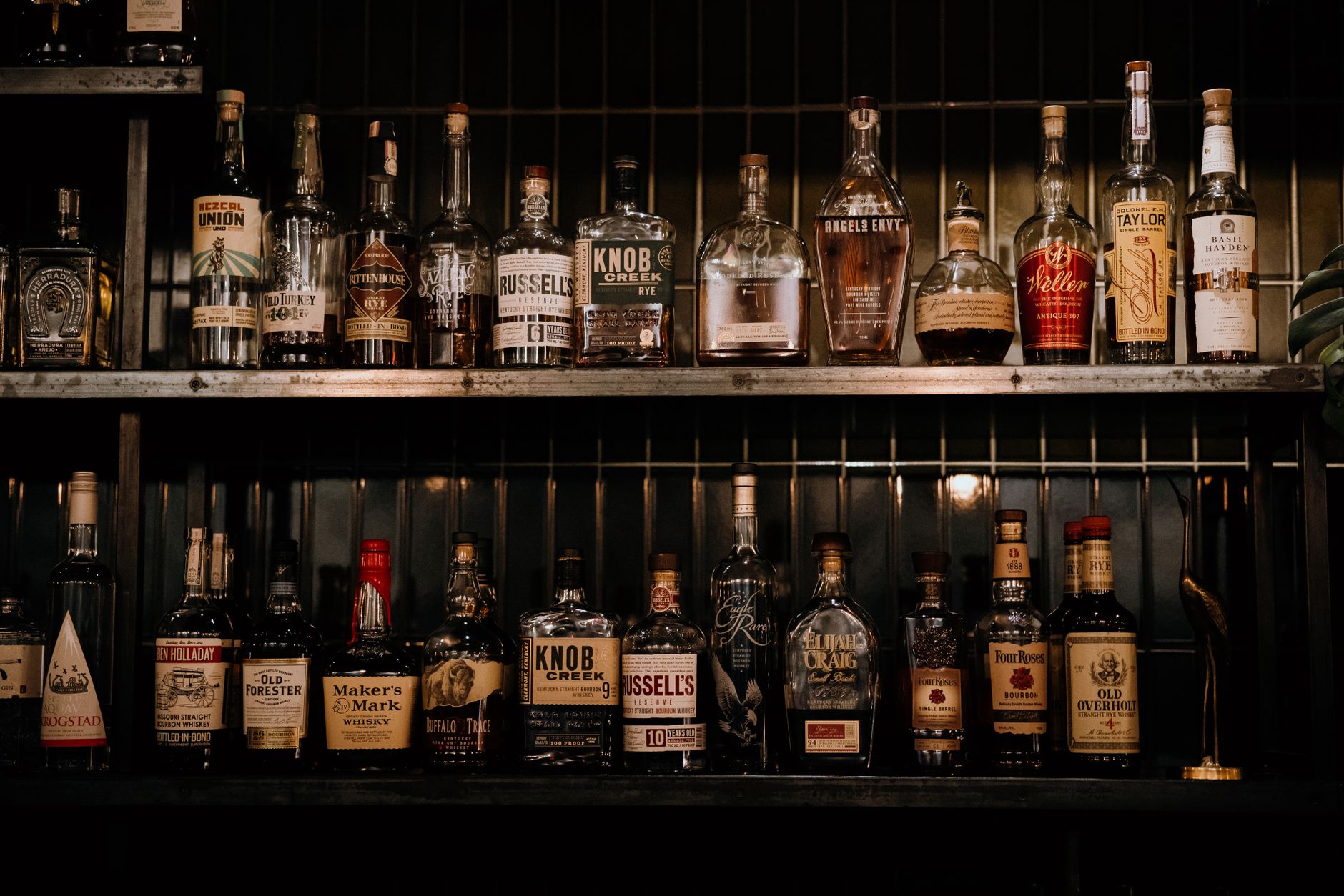
With the 2026 fall release season already heating up—Pappy Van Winkle allocations hitting shelves, Buffalo Trace Antique Collection bottles trickling into select markets, and the secondary market for Weller Full Proof pushing past $400—collectors are acquiring faster than they’re organizing. If you’ve scored even one of these limited releases, you’re already thinking about what comes next. And if you’re sitting on a dozen or more bottles from the past few seasons, bourbon storage tips for collectors have never been more critical to protecting both your liquid investment and your drinking experience.
The hard truth? Most collectors learn storage the expensive way. A sealed bottle of Stagg Jr. from 2019 with a compromised cork. A case of E.H. Taylor Barrel Proof stored upright so long the corks dried and crumbled. A basement shelf where temperature swings turned that special occasion bourbon into something flat and oxidized. Here’s how to avoid becoming another cautionary tale.
The Temperature Sweet Spot: Why 60-70°F Isn’t Just a Suggestion
Bourbon doesn’t age in the bottle. It doesn’t improve with decades of dormancy. What it does do is degrade when exposed to heat, light, and wild temperature fluctuations. The chemical compounds that create those beautiful vanilla, caramel, and oak notes? They’re volatile, and they break down.
Aim for 65°F as your baseline, with an acceptable range of 60-70°F. Every 10 degrees above that accelerates unwanted chemical reactions. At 80°F, you’re looking at noticeable flavor degradation within 2-3 years. At 90°F? That bottle of Blanton’s Gold you stashed in the garage could taste noticeably different within 6 months.
Here’s what most guides won’t tell you: consistency matters more than perfection. A basement that holds 62°F in winter and 68°F in summer is preferable to a climate-controlled room that cycles between 65°F and 70°F daily. Your enemy is rapid change, not slight variation.
For collectors with serious inventory, a wine refrigerator set to 65°F works beautifully. Skip the standard kitchen refrigerator—it’s too cold and too dry. If you’re storing 50+ bottles, consider a dedicated cellar cooling unit. Units from WhisperKOOL or CellarPro run $800-1,500 but protect collections worth exponentially more.
The Upright vs. Horizontal Debate: Settling the Cork Question
Wine stores on its side. Bourbon doesn’t. The 40%+ ABV in your average bourbon will eventually degrade a natural cork, causing it to crumble, leak, or worse—allow oxygen to seep in and oxidize your whiskey.
Store bottles upright, always. But—and this is the tip that separates knowledgeable collectors from beginners—rotate them 90 degrees every 3-4 months. This keeps the cork moist enough to maintain its seal without soaking it in high-proof alcohol that will break it down.
For bottles you plan to hold 5+ years, consider parafilm or wax sealing the cap. Not the entire neck—just the seam between cork and glass. This creates a secondary barrier against evaporation without making the bottle impossible to open. A roll of Parafilm M costs under $20 and handles 50+ bottles.
Got screw-top bottles? You’re mostly safe, but check the plastic liners annually. Older Wild Turkey Rare Breed releases and some Heaven Hill products have seen liner degradation. A quick visual inspection takes 30 seconds and could save a $200 bottle.
Light Control: UV Damage Happens Faster Than You Think
That beautiful glass-front cabinet? It’s slowly destroying your collection. Ultraviolet light breaks down lignin and other organic compounds in bourbon, creating off-flavors often described as “skunky” or “cardboard.”
Store in darkness, or near-darkness. If display matters to you—and for many collectors, it does—invest in UV-filtering film for glass cabinet doors. 3M makes architectural films that block 99% of UV while maintaining visibility. Cost runs $50-100 for a standard cabinet.
For open bottles, light damage accelerates dramatically. That half-empty bottle of Elijah Craig Barrel Proof on your kitchen counter? The headspace oxygen plus daily light exposure means you should finish it within 6-8 months, not 2 years. Transfer to a smaller bottle if needed, or better yet, drink it with friends and replace it.
Humidity: The Forgotten Variable in Bourbon Storage
Here’s where most “bourbon storage tips for collectors” articles fall short. They mention temperature and light, then stop. Humidity matters enormously, especially for long-term holdings.
Target 50-70% relative humidity. Below 40%, corks dry out even when stored upright. Above 80%, you risk label damage, mold growth on boxes, and in extreme cases, cap corrosion that compromises the seal.
Basements tend toward high humidity. Invest in a digital hygrometer ($15-30) and a dehumidifier if you’re consistently above 70%. For dry climates or heated rooms in winter, a small humidifier helps. Silica gel packets in storage boxes? Only if you’re monitoring them—saturated packets become humidity sources.
A pro move: store bottles in original boxes when possible. The cardboard provides humidity buffering and light protection. For unboxed bottles, acid-free tissue paper wrapped around the neck offers similar benefits without trapping moisture against the glass.
Inventory Management: The Organizational System That Saves Collections
The 2026 collector’s landscape is increasingly digital. Apps like Whiskybase, Distiller, and even simple spreadsheets prevent the “where did I put that?” problem that leads to bottles being forgotten in poor conditions.
Document each bottle with: purchase date, price, storage location, and intended purpose (drink, trade, investment). Update quarterly. This isn’t obsessive—it’s how you discover that 2019 Booker’s release you’ve been meaning to open before it passes its peak drinking window.
For collections exceeding 100 bottles, implement a rotation system. New acquisitions go to a “staging” area for 30 days while you verify condition and update records. Then they move to long-term storage. This prevents the chaotic pile that leads to bottles being damaged during retrieval.
Consider insurance once your collection exceeds $10,000 in replacement value. Standard homeowner’s policies often cap spirits at $1,500 or exclude them entirely. A rider or specialty collector’s policy from companies like Collect Insure runs roughly 0.5-1% of insured value annually.
The Evaporation Reality: When to Accept Loss and When to Act
Even perfect storage won’t stop the “angel’s share” from claiming your bottles. Sealed bottles lose 2-4% volume annually under normal conditions. Higher temperatures accelerate this; proper storage slows it.
Check your bottles every 6 months. Look for:
- Ullage level changes (fill line dropping)
- Cork leakage (sticky residue around the cap)
- Label deterioration (indicates humidity issues)
- Cap corrosion (especially on older screw-tops)
For bottles with significant evaporation, you face a choice: open and enjoy, or accept diminished value. The secondary market penalizes low-fill bottles heavily. A 2015 George T. Stagg at mid-shoulder might fetch $800; at base of neck, perhaps $400. Sometimes the best financial decision is pouring a celebratory dram.
Building a Storage System That Grows With Your Collection
The collectors thriving in 2026 aren’t just buying smarter—they’re storing smarter. Start with a dedicated space, even if it’s a closet. Add climate control as your collection justifies it. Build organizational habits before you need them.
Your best bottles deserve better than a cardboard box in the garage. The Weller 12 you hunted for months, the Old Forester Birthday Bourbon you camped out for, the Willett Family Estate you paid too much for at a shop in Bardstown—these aren’t just commodities. They’re time capsules of craft, and they need conditions that respect that.
Implement these bourbon storage tips for collectors now, before the next allocation season floods your shelves with bottles you’ll treasure for years. The best bourbon in your collection is the one you stored well enough to still enjoy at its peak.