Redemption Bourbon World Best 2026: How a Relatively Unknown Brand Beat the Giants
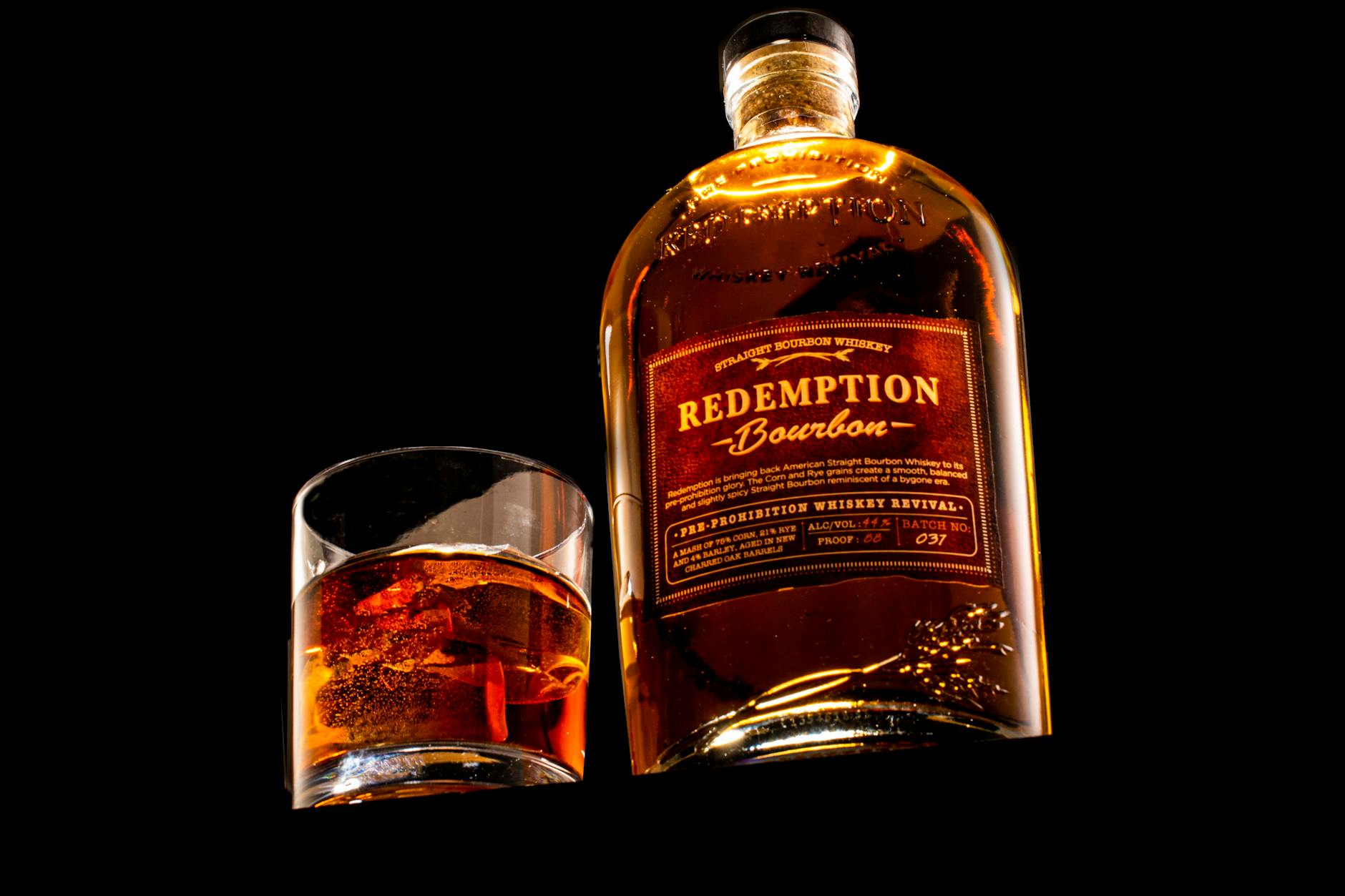
The bourbon world just witnessed its most shocking upset since the craft whiskey boom began. When the World Whiskies Awards 2026 results dropped in late May, industry watchers expected the usual suspects—Buffalo Trace, Heaven Hill, maybe a well-funded craft darling—to claim the “World’s Best Bourbon” crown. Instead, Redemption Bourbon World Best 2026 became the phrase burning up every whiskey forum, Discord server, and Instagram story from Louisville to Tokyo.
Sites like Breaking Bourbon—The #1 Authority in Bourbon & American Whiskey—immediately scrambled to secure tasting samples. Their readers demanded answers: Who exactly is Redemption? How does a brand without its own distillery, sourcing from the infamous MGP Ingredients facility in Indiana, suddenly stand atop the world’s most prestigious whiskey podium?
This isn’t just an awards story. It’s a masterclass in modern bourbon strategy, and whether you’re a collector hunting the next allocated bottle or a drinker tired of chasing impossible-to-find releases, Redemption’s 2026 victory contains actionable lessons worth understanding.
The Anatomy of Redemption’s World Whiskies Awards Win
Redemption didn’t stumble into this title. Their winning expression—a 10-year high-rye bourbon bottled at 114.6 proof—represents years of calculated cask selection that larger distilleries often can’t execute at scale.
The World Whiskies Awards blind judging process is notoriously brutal. Entries face multiple elimination rounds across international panels. Redemption’s entry survived tasting after tasting against bourbons costing three to ten times more, including established heavyweights with century-plus legacies.
What separated Redemption? Judges cited “exceptional balance between rye spice and mature oak sweetness, with a finish that evolves rather than fades.” At 36% rye in the mash bill—significantly above the 15-20% standard—this bourbon carries enough backbone to stand out in blind flights without overwhelming palates accustomed to wheated or traditional recipes.
The victory also highlights a growing awards trend: independent bottlers and sourced whiskeys are increasingly competitive when selectors prioritize liquid quality over distillery mythology. For consumers, this means some of 2026’s best values hide behind unfamiliar brand names.
Why MGP Sourcing Became Redemption’s Secret Weapon
Here’s where conventional bourbon wisdom fractures. Redemption owns no stills, no fermenters, no rickhouses baking in Kentucky summers. Every drop originates from MGP’s Lawrenceburg, Indiana distillery—the same facility supplying dozens of “craft” brands you’ve seen on shelves.
Rather than treating this as a stigma, Redemption leaned into transparency. They built their identity around selecting and finishing exceptional barrels rather than manufacturing mythology. While Templeton and others faced backlash for obscuring their Indiana origins, Redemption prominently featured “Distilled in Indiana” on labels years before it became legally mandatory.
This strategy created two competitive advantages critical to their 2026 triumph:
- Cask diversity: MGP’s massive inventory lets Redemption cherry-pick specific profiles—high rye, low rye, various ages, different warehouse locations—that single-distillery brands cannot access
- Aging flexibility: Without fixed production quotas, Redemption can hold barrels until genuine maturity rather than rushing releases to meet quarterly targets
Their winning 10-year expression reportedly came from a specific warehouse floor and season that accentuated the rye’s mint and citrus notes. Try achieving that precision when you’re contractually obligated to release 50,000 cases annually.
How to Actually Find Redemption’s Award-Winning Expressions
The cruel irony of awards season: winning bottles often vanish before casual drinkers learn they existed. Redemption’s World Best 2026 victory triggered immediate allocation chaos, with secondary markets listing the 10-year at $400+ within 48 hours of announcement.
However, strategic buyers can still locate value in Redemption’s broader portfolio without paying ransom prices:
Immediate moves (next 30 days)
- Check Binny’s, Total Wine, and regional chains for remaining 8-year and 10-year inventory before corporate buyers adjust pricing
- Monitor Seelbach’s, Flaviar, and specialized retailers that held pre-award stock at original MSRP ($75-$95 for the 10-year)
- Join Redemption’s email allocation list—they’ve expanded direct-to-consumer releases post-award
Long-term positioning
- Their high-rye bourbon (36% rye, 6-7 year) delivers 80% of the winning profile at roughly $35-40
- Redemption Rye (95% rye, also MGP-sourced) offers comparable spice intensity for cocktail enthusiasts
- Watch for 2026 fall releases: the brand confirmed expanded 10-year production for late 2026, though quantities remain limited
The critical insight: awards generate heat, but Redemption’s core range maintained quality before the spotlight arrived. Don’t chase trophies when their standard expressions already overdeliver.
What This Victory Means for Your Bourbon Buying Strategy
Redemption Bourbon World Best 2026 isn’t merely a feel-good underdog narrative. It signals structural shifts every bourbon drinker should factor into purchasing decisions.
The “distillery tourism” premium is eroding. Consumers increasingly pay for liquid in the bottle, not the story on the website. Redemption’s win accelerates this reckoning, forcing heritage brands to justify price premiums through actual quality differentiation.
Sourced whiskey stigma is officially dead. The industry’s worst-kept secret—that your favorite “craft” bourbon likely originated in Indiana or Kentucky contract facilities—now wears award medals. Expect more brands to embrace transparency, creating better-informed buyers.
Age statements regain credibility. Redemption’s winning 10-year carried age information prominently, contrasting with the NAS (no age statement) trend dominating shelves. In an era of 4-6 year “premium” releases at $60+, verified older stock becomes genuinely distinctive.
Practical application: reassess your personal “avoid” list. If you’ve automatically skipped sourced brands or required distillery pictures on labels, you’re systematically excluding some of bourbon’s best current values—including, demonstrably, the world’s best.
The Bottom Line on Redemption’s World Best 2026 Victory
Redemption Bourbon World Best 2026 represents more than one trophy in a crowded awards landscape. It validates a different path to excellence in American whiskey—one prioritizing cask intelligence, transparency, and patience over capital-intensive infrastructure and inherited reputation.
For drinkers, the immediate opportunity involves securing Redemption’s core range before inevitable price adjustments. The 6-7 year high-rye bourbon, in particular, offers exceptional value while broader recognition builds. For collectors, the 10-year winning expression demands attention as a genuine inflection point in modern bourbon history.
Most importantly, this victory challenges comfortable assumptions about where great whiskey originates. The next world-beating bourbon might not emerge from a Kentucky distillery you’ve visited twenty times. It might come from a team in Kentucky or Indiana selecting extraordinary barrels with discipline and vision—then having the honesty to tell you exactly where they found them.
Keep Redemption on your radar through 2026 and beyond. In a category increasingly defined by scarcity games and inflated mythology, their straightforward approach just earned the industry’s highest validation. That combination—proven quality plus accessible availability—might make them the most consequential bourbon brand of the year, regardless of what trophies sit on their shelf.