The Best Bourbon for Cocktails Mixing: A Bartender's Guide to Bottles That Actually Work Behind the Bar
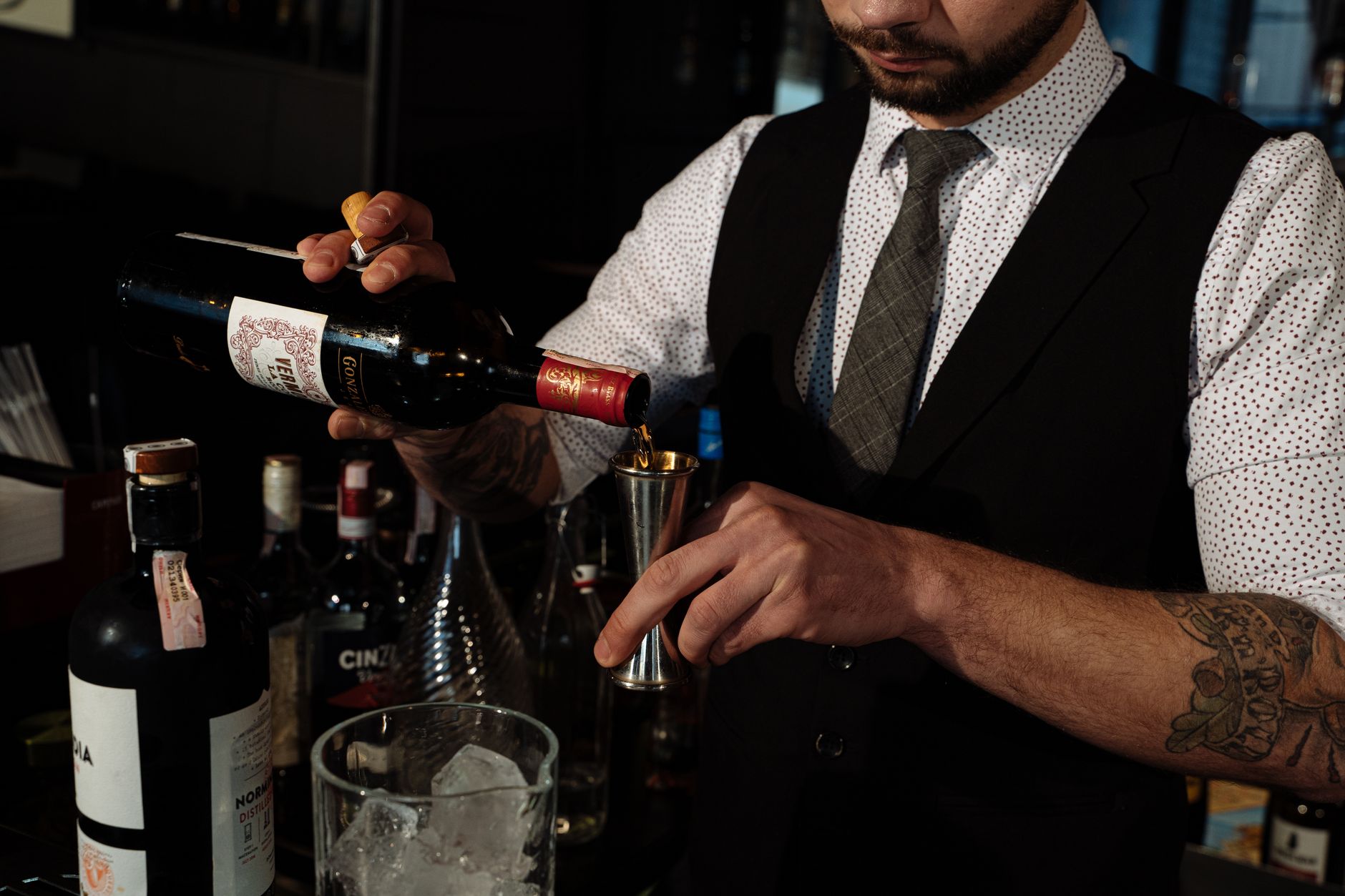
The craft cocktail renaissance has officially hit its second wave, and 2026 is shaping up to be the year bartenders stopped gatekeeping their back-bar secrets. With bourbon prices climbing faster than barrel proof at a distillery tour, home mixologists are finally asking the smart question: why pour $80 allocated bourbon into a drink where half the nuance gets buried under bitters and citrus?
Whether you’re building your first home bar or refining a decade-old setup, finding the best bourbon for cocktails mixing isn’t about grabbing the fanciest bottle on the shelf. It’s about understanding proof, price-to-performance ratios, and which flavor profiles actually survive dilution, shaking, and stirring. This guide cuts through the hype with bartender-tested picks, real numbers, and the practical knowledge that separates a decent drink from one that makes guests ask for the recipe.
Why Proof Matters More Than Pedigree in Mixed Drinks
Here’s the insider secret most cocktail books gloss over: 80-proof bourbon often dies in a mixed drink. That 40% ABV sounds sessionable, but once you add ice, vermouth, or citrus juice, you’re diluting an already-thin spirit into something that tastes like bourbon-flavored water.
Bartenders gravitate toward 90-100 proof bourbons for cocktails because they maintain backbone through dilution. At 45-50% ABV, you’ve got enough ethanol and concentrated flavor compounds to carry through dilution rates of 25-35% that typical mixing produces.
The math is straightforward: a standard stirred drink with 2 oz base spirit and 1 oz other ingredients, served over ice, will dilute to roughly 25-30% ABV by the last sip. Start with 80 proof, and you’re drinking something closer to wine strength with bourbon flavoring. Start with 100 proof, and you land in a rich, balanced zone where the whiskey still speaks.
Practical tip: For spirit-forward cocktails (Old Fashioned, Manhattan, Boulevardier), prioritize 100 proof or bonded bourbons. For citrus-forward drinks (Whiskey Sour, Paper Plane), 90-94 proof offers enough structure without fighting the acidity.
The $25-$35 Sweet Spot: Best Bourbon for Cocktails Mixing on a Budget
Price snobs will flinch, but here’s the truth: some of the best bourbon for cocktails mixing costs less than a craft cocktail at your neighborhood speakeasy. The goal is delicious drinks, not Instagram bottle flexes.
Wild Turkey 101 remains the bartender’s handshake for a reason. At 101 proof and typically $22-$28, it delivers rye-spice backbone, caramel depth, and enough heat to cut through sweet vermouth in a Manhattan or stand up to muddled sugar and bitters in an Old Fashioned. The high-rye mash bill (roughly 13% rye) adds complexity that cheaper, corn-heavy bourbons lack.
Old Grand-Dad Bonded sits in a similar lane at around $24. The Beam family’s high-rye recipe (27% rye in the mash bill) gives this bottled-in-bond option a peppery, herbal quality that transforms a standard Whiskey Sour into something with actual personality. At 100 proof exactly, it’s built for dilution.
Evan Williams Bottled in Bond—the white label, not the black—runs $15-$18 and punches absurdly above its weight. Heaven Hill’s consistent quality control means batch variation is minimal, critical for cocktail consistency. The profile leans nutty and vanilla-forward, making it ideal for dessert-adjacent cocktails like an Improved Whiskey Cocktail or Bourbon Milk Punch.
Buffalo Trace at $25-$30 deserves mention despite its 90 proof, simply because the balance of fruit, caramel, and gentle spice works in almost any application. The catch? Allocation nonsense makes it unreliable in many markets. When you find it, grab two: one for cocktails, one for occasional sipping.
When to Splurge: Mid-Range Bottles Worth the Cocktail Upgrade
Not every mixed drink needs bargain bourbon. Certain cocktails benefit from more nuanced, mid-range selections that bring specific flavor dimensions.
Rittenhouse Rye Bottled in Bond ($28-$35) technically sits across the bourbon-rye line, but many bartenders treat it as their secret weapon for both categories. At 100 proof with a 51% rye minimum, it adds dried fruit, cocoa, and assertive spice to a Boulevardier that makes guests pause mid-sip. If your cocktail calls for rye specifically, this is your bottle—but it also substitutes beautifully in bourbon recipes where you want more aggressive spice.
Four Roses Yellow Label ($22-$28) offers something unique: access to Four Roses’ ten distinct recipes through a blended, consistent product. The result is a 80-proof bourbon with unusual floral and fruity complexity. While the proof runs low for spirit-forward drinks, it shines in aromatic cocktails like a Bourbon Smash or Mint Julep where those delicate notes can actually express.
Elijah Craig Small Batch ($32-$38) at 94 proof bridges budget and premium mixing. The higher char level on Heaven Hill’s barrels contributes pronounced caramel and toasted oak that amplify the brown sugar notes in a proper Old Fashioned. It’s also substantial enough for stirred drinks without being so barrel-dominant that it overwhelms other ingredients.
The Flavor Profile Matrix: Matching Bourbon to Cocktail Style
Smart mixing means pairing whiskey character to drink architecture. Here’s the practical breakdown bartenders use:
High-rye, spicy bourbons (Wild Turkey 101, Old Grand-Dad, Bulleit):
- Best for: Manhattans, Boulevardiers, Sazerac variations
- Why: The spice competes successfully with sweet vermouth, Campari, or absinthe rinse
- Avoid in: Delicate floral cocktails where aggressive spice clashes
Wheated, softer bourbons (Maker’s Mark, Larceny, Weller Special Reserve):
- Best for: Whiskey Sours, Gold Rushes, Paper Planes
- Why: The softer profile integrates with citrus and honey without fighting
- Caution: Can disappear in heavily diluted or strongly flavored drinks
Nutty, caramel-forward bourbons (Evan Williams BiB, Elijah Craig, Heaven Hill):
- Best for: Old Fashioneds, Improved Whiskey Cocktails, coffee cocktails
- Why: These flavors amplify with sugar and bitters rather than competing
Fruity, floral bourbons (Four Roses, Buffalo Trace, some Woodford):
- Best for: Smashes, Juleps, highball-style drinks
- Why: Delicate aromatics express best with minimal dilution and fresh ingredients
Pro Techniques: Getting More From Your Mixing Bourbon
Even the best bourbon for cocktails mixing benefits from technique refinements that most home bartenders overlook.
Temperature control matters. Store your mixing bourbon at consistent room temperature, not on a sunlit shelf or above the refrigerator where heat cycles degrade it. For stirred drinks, pre-chill your mixing glass and spirits briefly in the freezer—thirty seconds, not thirty minutes—to reduce the ice workload and control dilution precisely.
Ice quality is non-negotiable. Cloudy, fast-melting refrigerator ice overdilutes before proper chilling occurs. Invest in large-format clear ice molds ($15-$25) or buy bagged craft ice from better liquor stores. The density difference is visually obvious and functionally transformative.
Express citrus oils directly over the drink, not into the shaker. When making a Whiskey Sour or Gold Rush, cut your lemon twist over the finished glass so the volatile oils spray across the surface. Rub the rim, then discard or garnish as preferred. This aromatic hit transforms perception more than the juice itself.
Batch your bitters and sugar. For frequent Old Fashioned drinkers, pre-make 2:1 simple syrup and keep Angostura and orange bitters in dropper bottles for precise measurement. Consistency beats showmanship when you’re making your third round for guests.
Building Your Two-Bottle Cocktail Bourbon System
After years behind bars and home counters, the simplest recommendation is this: run a two-bottle system. One workhorse, one specialist.
Your workhorse—Wild Turkey 101, Evan Williams BiB, or similar—handles 80% of cocktails without thought or guilt. Pour freely, experiment aggressively, make mistakes.
Your specialist steps up for known preferences and specific drinks. Love Manhattans? Keep Rittenhouse or a bonded high-rye bourbon. Obsessed with perfect Old Fashioneds? Elijah Craig Small Batch rewards the attention.
This approach keeps per-drink costs reasonable while giving you room to refine. Total investment: roughly $45-$65 for both bottles, or about the price of four cocktails at a decent bar.
Conclusion
The best bourbon for cocktails mixing in 2026 isn’t about chasing allocated bottles or impressing enthusiasts—it’s about understanding how proof, price, and flavor profile interact with your specific drinks. The industry trend toward transparency means bartenders are finally sharing that 101-proof workhorses consistently outperform rare pours once ice and ingredients enter the equation.
Start with Wild Turkey 101 or Evan Williams Bottled in Bond for your foundation. Add a mid-range specialist that matches your favorite cocktail style. Focus on technique—temperature, ice, measurement—more than bottle prestige. The result will be drinks that satisfy you and impress guests without draining your whiskey budget.
The best cocktail you’ve ever made probably isn’t in an expensive bottle waiting to be opened. It’s in the next drink you mix, with knowledge and bourbon chosen specifically for the job.