The Best Bourbon for Whiskey Sour in 2026: Bottles That Actually Survive the Citrus
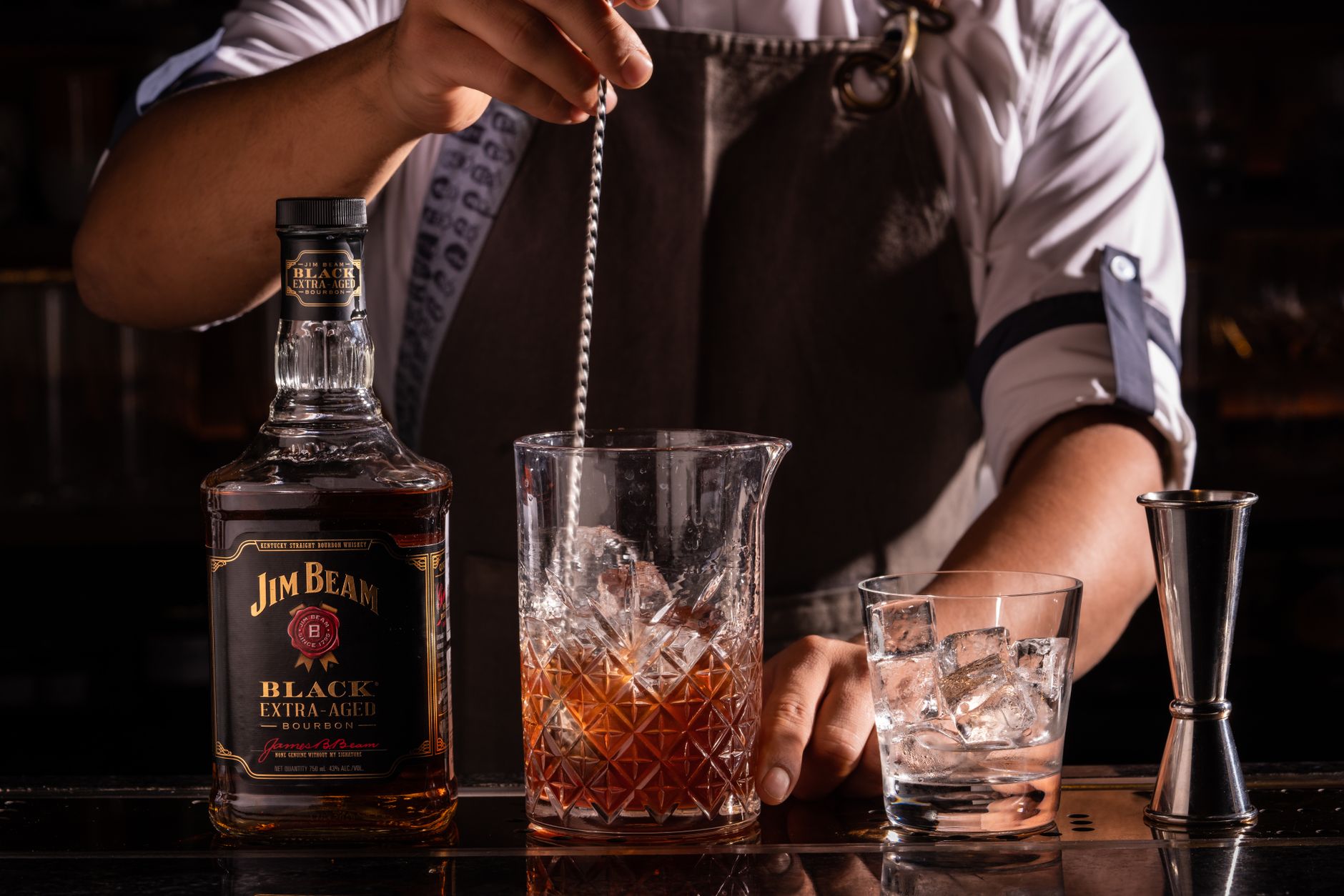
The whiskey sour is having a serious moment right now. With the fall cocktail season kicking off and bars leaning hard into clarified sours, amaro-spiked variations, and egg white everything, bourbon lovers are rediscovering that this classic three-ingredient drink is only as good as what you pour into it. Pick the wrong bottle and the lemon juice bulldozes your bourbon into oblivion. Pick the right one and you get that perfect sweet-tart harmony that makes the whiskey sour arguably the most satisfying cocktail in the American canon.
Finding the best bourbon for whiskey sour is a different challenge than picking a sipper. You need a bourbon with enough proof and backbone to punch through fresh lemon juice and simple syrup without getting lost, but not so aggressive or expensive that mixing it feels like a crime. After testing more than a dozen bottles across every price tier this year, we have narrowed it down to the picks that genuinely earn their place in your shaker.
What Makes a Bourbon Great in a Whiskey Sour
Before we get to the bottles, it helps to understand what actually matters when bourbon meets citrus.
Proof is your best friend. A bourbon bottled at 90 proof or higher holds its own against the acidity of fresh lemon juice. Anything below 80 proof tends to disappear, leaving you with what tastes like expensive lemonade. The sweet spot for a whiskey sour is between 90 and 110 proof.
Mash bill matters more than you think. High-rye bourbons bring a spicy, peppery edge that plays beautifully against the sweetness of simple syrup. Wheated bourbons can work too, but they sometimes get lost because their softer profile does not push back hard enough against the lemon.
Price should stay reasonable. A whiskey sour uses roughly two ounces of bourbon per drink. Pouring a $90 bottle into a cocktail is your right, but the nuances that justify that price tag get muted by citrus and sugar. The ideal range is $25 to $55.
Avoid heavy oak or tannic finishes. Bourbons aged 12-plus years often carry deep oak and leather notes that clash with bright lemon. Younger, vibrant bourbons in the 4-to-8-year range tend to perform better.
The Best Bourbon for Whiskey Sour: Our Top Picks for 2026
Here are the bottles that consistently produced the best whiskey sours in our testing, organized by what you are looking for.
Best Overall: Wild Turkey 101
There is a reason bartenders have reached for Wild Turkey 101 for decades. At 101 proof and typically under $30, it delivers a bold, spicy, slightly fruity profile that refuses to be bullied by lemon juice. The high-rye mash bill gives it a cinnamon-and-pepper kick that adds complexity to every sip. If you only buy one bottle for whiskey sours, this is it.
Best Budget Pick: Evan Williams Bottled-in-Bond
At around $20 and 100 proof, Evan Williams BiB is the best value in bourbon, full stop. It has a clean, slightly sweet corn-forward flavor with just enough oak and vanilla to keep things interesting. In a whiskey sour, it produces a balanced, crowd-pleasing drink that costs roughly $1.50 per cocktail in bourbon alone. Stock a bottle behind your bar and never feel guilty about mixing.
Best Premium Pick: Old Forester 1920 Prohibition Style
If you want a whiskey sour that tastes like it came from a high-end cocktail bar, Old Forester 1920 is the move. At 115 proof, it brings intense caramel, dark cherry, and baking spice notes that cut through citrus like a knife. The higher proof means you can use a slightly heavier hand with simple syrup without the drink becoming cloying. It typically runs $55 to $65, and yes, it is worth it for special occasions.
Best High-Rye Option: Four Roses Small Batch
Four Roses Small Batch blends four different bourbon recipes, and the result is a layered, fruit-and-spice profile that makes a genuinely complex whiskey sour. At 90 proof, it sits right at the minimum threshold for cocktail work, but the flavor intensity more than compensates. Expect notes of red berries, gentle rye spice, and a smooth finish. It usually costs $30 to $35.
Best Wheated Option: Maker’s Mark Cask Strength
Standard Maker’s Mark is a bit too soft for a whiskey sour, but the Cask Strength version is a different animal. At roughly 110 proof (it varies by batch), it delivers the smooth, bready sweetness wheated bourbon is known for, amplified to cocktail-ready intensity. The result is a rounder, richer whiskey sour with a caramel-and-honey character that rye-based bourbons cannot replicate. Expect to pay $40 to $50.
How to Make a Better Whiskey Sour at Home
Even the best bourbon for whiskey sour will underperform if your technique is off. Here are the adjustments that make the biggest difference.
Use fresh lemon juice, always. Bottled lemon juice is the single fastest way to ruin a good cocktail. One medium lemon yields about 1.5 to 2 ounces of juice, which is exactly what you need for one drink.
Dial in your ratio. The classic spec is 2 ounces bourbon, 0.75 ounce fresh lemon juice, and 0.75 ounce simple syrup. If your bourbon is higher proof (105-plus), bump the simple syrup to a full ounce. If it is lower proof, pull the syrup back to half an ounce.
Try the egg white. Adding one egg white (or 1 ounce of aquafaba for a vegan version) transforms the texture from thin and sharp to silky and luxurious. Dry shake all ingredients without ice first, then add ice and shake again. The foam head you get is worth the extra 30 seconds.
Use large ice cubes for serving. A single large cube melts slower and keeps your sour cold without diluting it into watery sadness. If you are making sours for a group, pre-batch the bourbon, lemon, and syrup in a pitcher and shake individual servings to order.
Garnish with intention. A brandied cherry and an expressed orange peel are the classic finish. Skip the neon-red maraschino cherries. Luxardo or Fabbri Amarena cherries cost more but taste like actual fruit instead of cough syrup.
Common Whiskey Sour Mistakes to Avoid
Even experienced home bartenders fall into these traps.
Over-shaking. Fifteen seconds of vigorous shaking is plenty. Going longer over-dilutes the drink and kills the flavor intensity you chose that bourbon for in the first place.
Using a bourbon you would not drink neat. The old advice to cook with wine you would not drink applies here. If a bourbon tastes harsh or off-putting on its own, lemon and sugar will not fix it. They will just mask it poorly.
Ignoring the simple syrup ratio. Too much syrup turns your sour into candy. Too little makes it punishingly tart. Measure with a jigger, not your heart, at least until you have made enough sours to trust your instincts.
Serving it in the wrong glass. A rocks glass over a large cube is the standard. A coupe works if you are serving it up without ice. Avoid tall Collins glasses, which spread the drink too thin and warm it up too fast.
Final Pour
The best bourbon for whiskey sour is ultimately the one that matches your palate and your budget, but you cannot go wrong starting with Wild Turkey 101 as your everyday workhorse and keeping a bottle of Old Forester 1920 on hand for nights when you want to impress. The whiskey sour rewards experimentation, so once you nail the classic ratio, start playing with different bottles, flavored syrups, and garnishes. Fall 2026 is the perfect season to dial in your sour game before holiday entertaining arrives. Your guests will notice the difference, and your bar cart will finally have a purpose beyond looking good on Instagram.