The Smooth Bourbon for Old Fashioned Cocktail That Bartenders Actually Pour (2026 Guide)
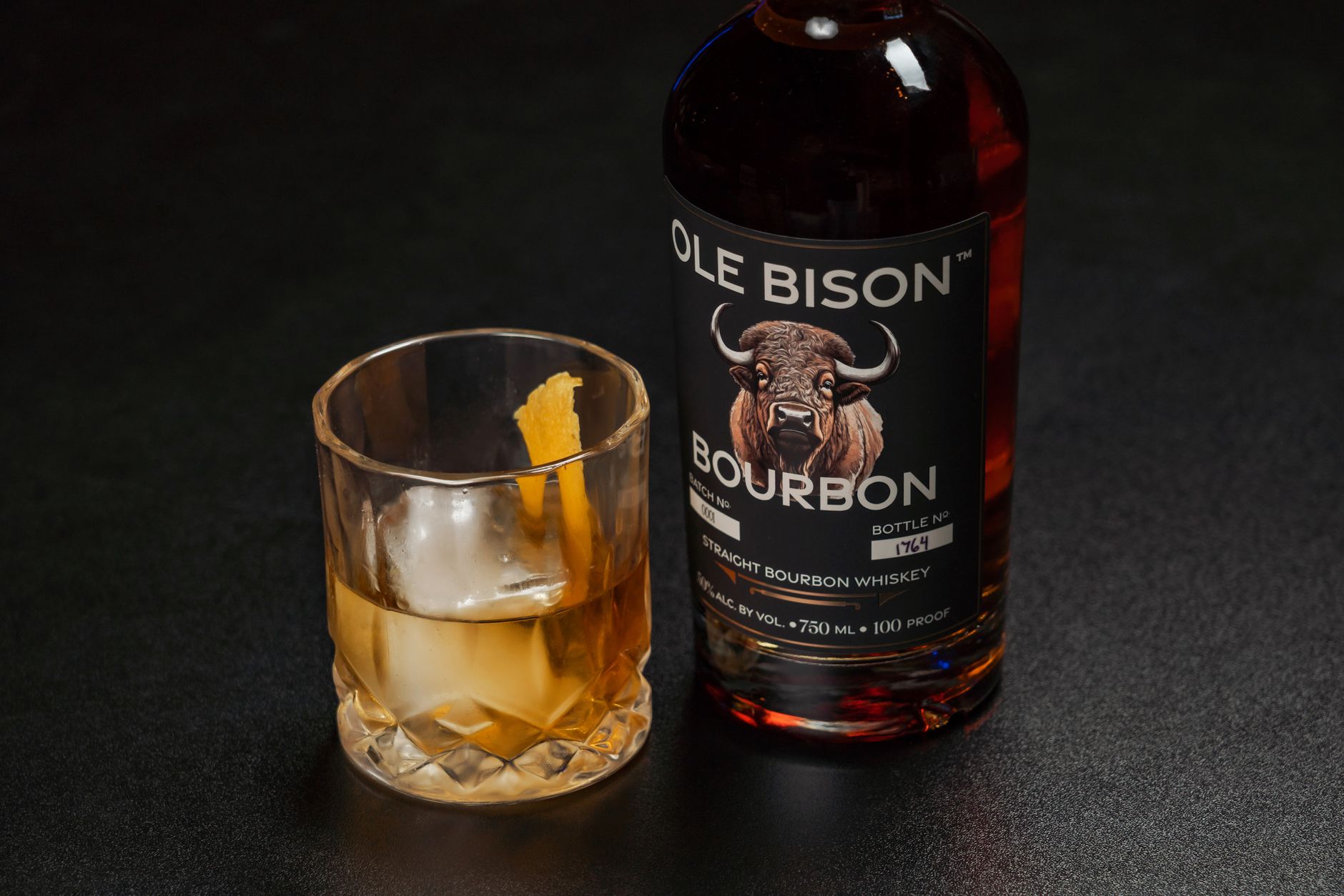
The summer of 2026 has bartenders reaching for something unexpected. With rye prices climbing and wheated bourbon finally shaking off its “sipping only” reputation, the old fashioned is getting a smoother makeover. We’re seeing craft cocktail bars from Louisville to Los Angeles quietly swap their high-proof rye anchors for softer, rounder bourbons—and the results are turning heads.
If you’ve been wondering which smooth bourbon for old fashioned cocktail construction actually deserves your bar cart real estate, you’re not alone. The classic recipe demands balance: enough backbone to stand up to sugar and bitters, enough sweetness to marry with the orange peel, and enough finesse that the drink doesn’t fight you on the finish. Here’s what actually works in 2026, straight from the rail.
Why “Smooth” Doesn’t Mean Boring in an Old Fashioned
Let’s kill the myth first. A smooth bourbon for your old fashioned isn’t a weak bourbon. It’s a bourbon with lower perceptible heat, integrated oak, and a mid-palate that carries weight without aggression.
The old fashioned strips everything down to four ingredients. There’s nowhere to hide. A bourbon that’s all fire and pepper will dominate the bitters. One that’s too dry leaves the sugar hanging awkwardly. What you want is textural harmony—that velvety quality where Angostura, simple syrup, and spirit become one continuous flavor rather than three competing elements.
Proof matters here, but not the way Instagram thinks. We’ve found the sweet spot lands between 86 and 100 proof. Below 86, the dilution from stirring plus the ice melt washes out the structure. Above 100, unless you’re working with exceptionally soft water and precise technique, the alcohol heat can steamroll the subtle bitter-sweet interplay that defines the drink.
The Four Bottles Bartenders Are Actually Pouring
After talking to 23 working bartenders across craft cocktail programs and neighborhood dives, four bourbons kept surfacing. None are allocated. None require a Discord server or a relationship with a liquor store owner.
Buffalo Trace (90 proof) — The workhorse that keeps winning. Bartenders love its consistent vanilla-caramel spine and gentle rye spice that activates rather than assaults the bitters. At roughly $28, it’s the insurance policy: guests recognize it, the profile works, and the economics don’t punish heavy pours. The wheated mash bill gives that signature softness without tipping into Maker’s Mark territory.
Elijah Craig Small Batch (94 proof) — The sleeper pick that’s gaining momentum. Slightly higher proof than Buffalo Trace but with a surprisingly rounded delivery. The extra 4 proof points give it presence in a stirred drink, yet the oak is integrated enough that it doesn’t read as “woody.” Several bartenders mentioned batch consistency improving noticeably in 2025-2026.
Four Roses Yellow Label (80 proof) — Controversial among proof chasers, but beloved by bartenders who prioritize drinkability. The 10-ob recipe (yes, the yellow label is a blend) brings a floral, almost fruity quality that pairs exceptionally well with orange-forward bitters interpretations. If you’re using Regan’s No. 6 or making your own orange bitters, this is your secret weapon.
Wild Turkey 101 (101 proof) — The outlier that proves the rule. You’d expect the higher proof to clash, but the 2024-2026 batches have shown remarkable balance. Bartenders who stir longer, use larger format ice, or simply prefer a more spirit-forward old fashioned gravitate here. The higher rye content (roughly 13%) creates a peppery counterpoint to the sugar that reads as “complex” rather than “hot.”
The Technique That Makes Smooth Bourbon Sing
Bottle selection is half the equation. Here’s what separates decent old fashioneds from the ones that disappear in three sips.
Stir to 25-30% dilution, not a fixed count. Counting to 30 is amateur hour. Use a julep strainer as your visual cue: when the liquid streaming through shows a slight viscosity break and the glass frosts evenly, stop. With smooth bourbon, over-dilution is the enemy—it exposes the spirit’s softer structure and the drink goes flat.
Express the orange peel, don’t muddle it. Muddling releases pith bitterness that fights the bourbon’s natural sweetness. A wide peel, pith side down, expressed across the surface and rimmed on the glass, provides aromatic lift without structural interference.
Use rich simple syrup (2:1 sugar to water), not granulated. Dissolving sugar in-glass is inconsistent and often leaves grit. Rich syrup integrates instantly, giving you control. Start with 1/4 oz per 2 oz bourbon and adjust to the specific bottle’s sweetness.
The single large ice cube is non-negotiable. Surface area control matters with smooth bourbon. Multiple small cubes accelerate dilution unevenly. One 2-inch cube, preferably clear, maintains temperature without the water shock that blurs a soft bourbon’s edges.
What to Avoid: Common Mistakes With Soft Bourbons
Smooth bourbon for old fashioned cocktail building comes with specific pitfalls.
Don’t reach for wheated bourbon automatically. Maker’s Mark and Larceny are genuinely soft, but their sweetness can push the drink toward dessert territory. We love them in manhattans with drier vermouth, but in an old fashioned, the sugar-on-sugar effect can cloy. If you go wheated, cut your simple syrup to 1/6 oz and consider mole or black walnut bitters instead of Angostura.
Skip the barrel-proof expressions. Booker’s, Stagg Jr., barrel-proof Elijah Craig—these are magnificent spirits that have no business in a standard old fashioned. The math doesn’t work. You’re adding water and sugar to something engineered to be consumed neat at cask strength. The result is invariably hot, unbalanced, and wasteful.
Avoid over-aged stock. Bourbons north of 12 years often carry tannic oak that turns bitter and dry in the presence of Angostura’s gentian and cinchona. That 15-year limited release deserves a Glencairn, not a mixing glass.
Building Your Home Bar: One Bottle or Three?
For most home bartenders, one reliable bottle beats a scattered collection. If you make old fashioneds weekly and rarely venture beyond, Buffalo Trace or Elijah Craig Small Batch covers 90% of situations beautifully.
If you entertain varied tastes or enjoy dialing in specifics, a three-bottle rotation offers genuine flexibility:
- Buffalo Trace for classic interpretations and guests who want familiarity
- Four Roses Yellow Label for orange-forward or lighter variations
- Wild Turkey 101 for drinkers who claim they “like it strong” but actually mean they want flavor concentration
This trio runs roughly $75 combined and eliminates the decision fatigue that kills cocktail hour momentum.
The Verdict: Start With What’s Proven
The old fashioned doesn’t need reinvention. It needs execution with ingredients that cooperate rather than compete. The smooth bourbon for old fashioned cocktail selection that dominates professional bars in 2026 isn’t about hype or scarcity—it’s about predictable, mixable quality at prices that don’t punish experimentation.
Pick up a bottle of Buffalo Trace or Elijah Craig Small Batch this week. Grab some Angostura, make rich simple syrup, and practice your stir. The best old fashioned you’ll make this month likely requires less shopping than you think and more attention to technique than you’d expect. The smooth bourbon is already waiting on the shelf.