
VinePair Bourbon Ranking vs Reality: What the Listicles Get Wrong (And What's Actually Worth Your Money)
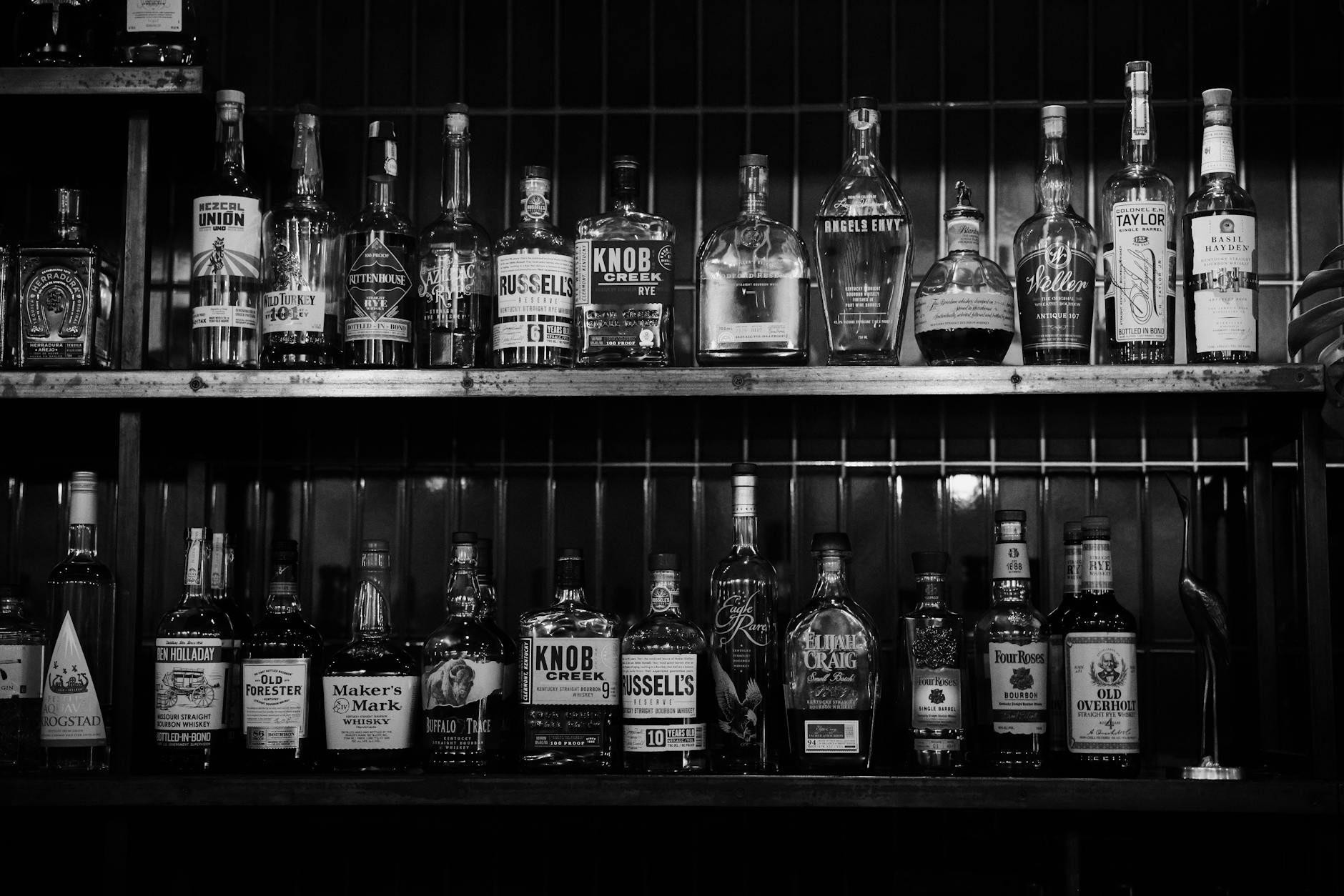
Every January, the whiskey internet erupts with “Best Bourbons of the Year” listicles. VinePair drops their rankings. Gear Patrol follows. Then the subreddits explode with “how did THAT make the list?” and “where’s [obvious winner]?” The cycle feels as predictable as a Buffalo Trace allocation lottery — and about as satisfying.
Here’s what’s different in 2026: we’re finally seeing some actual price-to-quality disruption. A bourbon that just won Double Gold at the San Francisco World Spirits Competition retails under $40, and it’s not from a distillery you’ve been stalking for three years. Meanwhile, several bottles that dominated last year’s VinePair bourbon ranking are sitting on shelves collecting dust — which tells you everything about the gap between critical consensus and what’s actually moving drinkers right now.
This isn’t a hit piece on any publication. Rankings serve a purpose. But if you’re spending your own money, you need to understand where VinePair bourbon ranking vs reality diverges — and how to spot the gaps before you buy.
Where Rankings Tend to Overvalue the Familiar
VinePair’s 2025 “30 Best Bourbons” list leaned heavily on established distilleries. Roughly 60% came from Kentucky’s Big Four producers. Eagle Rare 10, Blanton’s, and Woodford Reserve Double Oaked all appeared. These are fine whiskies. But their inclusion reflects something rankings struggle with: availability bias. Publications need bottles readers can theoretically find, which creates pressure to recommend what’s distributed nationally rather than what’s genuinely exceptional.
The reality? Eagle Rare has become a $90 secondary market bottle in most markets despite its $35 MSRP. Blanton’s is essentially a lottery ticket. Ranking them as “best” without massive caveats misleads casual buyers who don’t understand the hunt involved.
More importantly, this approach misses the craft and emerging distillery revolution happening outside Kentucky’s central corridor. New Riff, Starlight, and Chattanooga are producing bourbons with distinct mash bills and regional character that challenge the “Kentucky or bust” orthodoxy. When rankings default to familiar names, they train readers to ignore the most exciting development in American whiskey: geographic and stylistic diversification.
What to do instead: Treat rankings as a starting point for styles you might enjoy, not a purchase list. If Eagle Rare appeals to you, try New Riff’s Bottled in Bond as an accessible, complex alternative you can actually buy.
The Price Blind Spot Nobody Talks About
Here’s where VinePair bourbon ranking vs reality gets genuinely frustrating for budget-conscious drinkers. Most major publications evaluate bourbons in a vacuum — tasting them neat, in controlled environments, without considering what you’d pay. A $200 limited release that scores 94 points and a $35 everyday bourbon that scores 89 aren’t just different products; they exist in different economic universes for most buyers.
The 2026 Double Gold winner under $40 (we’re talking about Chattanooga Whiskey’s 91 Proof Single Barrel, which also took Best Small Batch honors at ADI) exposes this blind spot brutally. At its price point, it delivers complexity — malt-forward sweetness, structured oak, surprising length — that competes with bottles three times the cost. Yet it rarely cracks top-10 lists because it’s not “prestigious” enough. The ranking methodology rewards ceiling over floor, which helps nobody building a sustainable home bar.
VinePair’s bartender-focused “Most Overrated” piece from 2025 actually touched this nerve — industry professionals called out Pappy Van Winkle and Blanton’s for hype disconnect. But the main rankings never fully integrated this skepticism. They’d critique hype in one article then perpetuate it in another.
Practical tip: Build your own value index. Divide any rating or score by the bottle’s actual street price. A 90-point bourbon at $30 (value index: 3.0) beats a 95-pointer at $150 (value index: 0.63) for daily drinking purposes. This math never appears in glossy rankings.
The Tasting Context That Changes Everything
Professional reviewers taste dozens of whiskies in single sessions. It’s necessary for volume coverage, but it fundamentally distorts perception. High-proof, heavily oaked bourbons dominate in flights because they punch through palate fatigue. Subtle, nuanced pours get buried. This explains why ranking mainstays tend toward barrel-proof monsters and finished expressions — they’re built to win competitions, not necessarily to reward slow, contemplative drinking.
The reality of home consumption looks different. You’re pouring one glass, maybe two. Food’s involved. Conversation happens. That 130-proof stunner that wowed judges at 10 AM on an empty stomach? It might sit half-finished on your coffee table. Meanwhile, a well-balanced 90-proofer — something like Heaven Hill’s Bottled in Bond or the aforementioned Chattanooga — integrates into actual life.
Seasonal context matters too. Summer 2026’s heat demands lighter, more refreshing pours. Rankings published in January don’t account for this. A “best bourbons” list should arguably be two lists: winter and summer, or at minimum, should flag seasonal versatility.
Specific recommendation: For warm-weather bourbon drinking, seek out higher-wheat mash bills or younger expressions with brighter fruit notes. Old Fitzgerald Bottled in Bond (spring release) or Larceny Barrel Proof (dialled back with water) outperform their typical ranking positions when temperature and context enter the equation.
The Hype Cycle vs. Your Actual Palate
Perhaps the biggest gap in VinePair bourbon ranking vs reality is the assumption that consensus equals personal preference. Bourbon has never been more diverse in flavor profile. High-rye spice bombs (Four Roses recipes, Bulleit). Wheated softness (Maker’s, Weller). Corn-forward sweetness (some Heaven Hill expressions). Malt-influenced complexity (those emerging distilleries again). Geographic terroir differences are becoming identifiable.
Rankings collapse this diversity into a linear “better/worse” framework that doesn’t serve individual drinkers. Someone who loves Islay Scotch will gravitate toward different bourbons than a former Cognac drinker. Neither is wrong; both need different guidance.
The “overrated” conversation actually helps here. When bartenders call out overhyped bottles, they’re often identifying where personal preference and market hype diverge most dramatically. Use these moments as calibration tools. If multiple professionals say a beloved bottle underdelivers, ask: does it underdeliver objectively, or just for their specific palate and use case? The answer teaches you more than any score.
Actionable exercise: Track your own preferences for one month. Note mash bill (rye vs. wheat vs. standard), proof, age, and price for each pour you genuinely enjoy. Patterns emerge that no ranking can predict. You might discover you’re a high-rye person at $40-60, which immediately narrows your hunt more usefully than any “best of” list.
How to Actually Use Rankings in 2026
We’re not saying ignore VinePair, Whisky Advocate, or any publication. They’re valuable data points from experienced tasters. But deploy them strategically:
- For discovery, not validation: Use rankings to identify categories or distilleries you haven’t explored. Then find entry-level expressions from those producers rather than chasing the exact ranked bottle.
- For trend spotting, not purchasing: Notice what’s rising or falling year-over-year. If wheated bourbons are climbing multiple lists, the style’s having a moment. But your purchase should be informed by availability and price, not the specific ranked iteration.
- For bartender intelligence: The “industry professionals” angles often contain the most honest assessments, because these people handle bottles daily and hear customer feedback constantly.
The Chattanooga Double Gold story exemplifies this approach. It won competitions, got industry buzz, then hit shelves at an accessible price. That’s the trifecta: critical recognition, professional respect, consumer accessibility. These moments are rarer than they should be, but they’re worth waiting for — and they rarely need a ranking to validate them once you understand your own preferences.
Conclusion
The VinePair bourbon ranking vs reality gap isn’t about bad faith or incompetence. It’s about structural limitations: the need for accessible recommendations, the pressure to cover known brands, the impossibility of pricing context in a national market with wild regional variation, and the fundamental mismatch between competition-style tasting and home drinking.
Your defense against these limitations is personal calibration. Know your mash bill preferences. Track value, not just scores. Read the “overrated” pieces as carefully as the “best of” lists. And stay alert for those genuine market disruptions — like a Double Gold winner under $40 — that suggest where the industry is actually heading versus where it’s been.
The best bourbon for you in 2026 isn’t necessarily on any list yet. It might be sitting on a shelf right now, overlooked because it hasn’t collected enough magazine covers. Your job isn’t to chase rankings. It’s to build the judgment that makes rankings useful background noise rather than gospel.
Happy hunting. And if you find that Chattanooga Single Barrel before the rest of the internet catches up? Pour one knowing you beat the system.